Ask anyone who cooks regularly what they notice most in a kitchen, and the answer is rarely the countertop. It is the cabinets. You open them dozens of times a day, they hold nearly everything you own in that room, and they take up the largest visual area. That is why woodworking cabinets are the single most important decision in a kitchen project. Get them right and the room works effortlessly for decades. Get them wrong and you live with sticking doors, sagging shelves and swollen panels. This guide covers the design thinking and material choices that separate a kitchen that merely looks good from one that lasts.
Why Woodworking Cabinets Beat Off-the-Shelf Units
Ready-made cabinets come in fixed sizes, so the gaps are filled with panels and awkward spacers. Custom woodworking cabinets are built to your exact walls, ceiling height and appliances. In older villas with uneven walls or apartments with unusual corners, that precision removes wasted space and dust-catching gaps. Custom work also lets you choose the thickness of panels, the type of hinges and the internal layout, instead of accepting whatever a catalogue offers. Good interior design starts with how a space is used, and custom cabinetry is where that thinking becomes physical.
Choosing the Right Material for Woodworking Cabinets
Material decides how your cabinets handle heat, humidity and daily wear. This matters especially in the Gulf, where a hot climate and steam-heavy cooking can be harsh on wood. Here is how the main options compare:
- Solid wood: Beautiful and repairable, with a natural grain that can be sanded and refinished. It can expand and contract with humidity, so it needs proper seasoning and joinery. Best used for doors and frames.
- Plywood: Made of cross-laminated layers, it is strong, stable and holds screws well. Marine-grade or moisture-resistant plywood is a smart choice for sink units.
- MDF: Smooth and ideal for painted finishes and shaped doors. Standard MDF dislikes water, so moisture-resistant grades are essential in kitchens.
- Veneered boards: A thin layer of real wood over a stable core, giving the look of solid timber with better dimensional stability and often a lower cost.
- Laminates and HPL: Highly resistant to scratches and stains, available in countless colors and textures, and practical for busy family kitchens.
The most durable woodworking cabinets often mix materials: a moisture-resistant carcass, veneer or solid wood fronts, and a tough edge-banding that seals every cut surface.
Design Tips for Woodworking Cabinets That Work Harder
A beautiful kitchen that frustrates the cook has failed. Keep these principles in mind:
- Plan around the work triangle: Keep the sink, hob and refrigerator within easy reach of one another, without traffic cutting through the middle.
- Go deep with drawers: Full-extension drawers beat base cabinets with doors because you see everything at once without kneeling.
- Use the vertical space: Tall pantry units, pull-out larders and ceiling-height wall cabinets turn dead space into storage.
- Respect ergonomics: Place everyday items between shoulder and knee height, and reserve high shelves for rarely used items.
- Think about lighting early: Under-cabinet LED strips need channels planned in the joinery, not added as an afterthought.
- Add a hidden appliance zone: A tall unit with pocket doors can hide a coffee station or small appliances, keeping counters clear.
Many of these details are worked out during early design coordination, which is why the best results come from teams who manage both drawings and production. You can see how this coordination works across our Services offering.
Finishes and Hardware: The Details Behind Woodworking Cabinets
Finish is your cabinets’ armor. Polyurethane and lacquer finishes create a hard, wipeable surface, while natural oils keep a warmer, more tactile feel but need periodic care. Matte finishes are currently popular because they hide fingerprints better than high gloss, though they should be tested against your cleaning habits.
Hardware is just as important. Soft-close hinges and runners protect doors from slamming, and quality hinges keep doors aligned after years of use. Handle-less profiles give a streamlined look, while brass or black metal handles add character. Cheap hardware is the most common reason a good cabinet starts to feel poor, so it is rarely the place to save money.
Why In-House Production Matters for Woodworking Cabinets
Where your cabinets are made affects their quality as much as what they are made from. A manufacturer with its own factory controls the cutting accuracy, edge sealing, finishing environment and delivery schedule. When production happens under the same roof as design and installation, fewer things get lost in translation. If you are comparing providers, our guide to interior fit out contractors in Dubai explains how to separate coordinators from true manufacturers, and our overview of interior fit out companies offers more questions to ask.
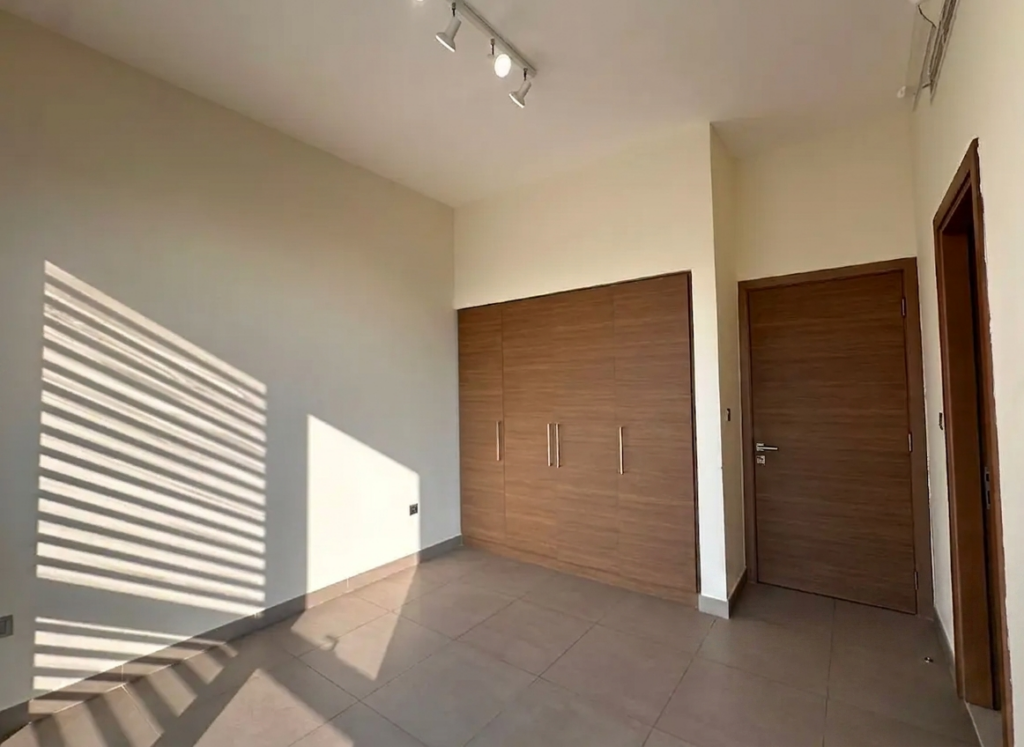
Seeing Woodworking Cabinets in Real Projects
Photos on a mood board can only tell you so much. Looking at finished work shows how joinery behaves in actual homes, hotels and commercial spaces, including how doors align and how finishes age. Visit our Projects page to see completed joinery and furniture work. To keep up with materials, trends and factory updates, follow our News section.
Final Thoughts on Woodworking Cabinets
Great kitchen cabinetry is a balance of three things: smart layout, the right materials for your climate, and precise manufacturing. Choose a moisture-resistant core, invest in good hardware, and plan storage around how you really cook. Skilled craftspeople make the difference, and growing manufacturers regularly hire carpenters, engineers and designers, as you can see on the Careers page. When you are ready to plan your kitchen, contact us to discuss your requirements.
FAQs
Q. What are the best woodworking cabinets for humid climates?
Moisture-resistant plywood or MDF carcasses with sealed edges and veneer, lacquer or HPL fronts perform well. Proper edge-banding is critical to keep humidity out.
Q. Which material is better for kitchen cabinets: solid wood or plywood?
Neither is universally better. Plywood offers stability for the cabinet body, while solid wood is excellent for doors and frames. A combination often gives the best balance.
Q. How long do custom woodworking cabinets last?
With quality materials, sound joinery and good hardware, they can last 15 to 25 years or more. Regular cleaning and prompt attention to water spills extend that life.
Q. What should I consider before ordering woodworking cabinets?
Think about layout, storage needs, appliance sizes, material, finish, hardware and installation timeline. Measuring accurately and finalizing the design before production avoids costly changes.
Q. Why are custom cabinets more expensive than ready-made ones?
They are made to measure with higher-grade materials and individual design work. The extra cost usually returns value through better fit, durability and storage efficiency.