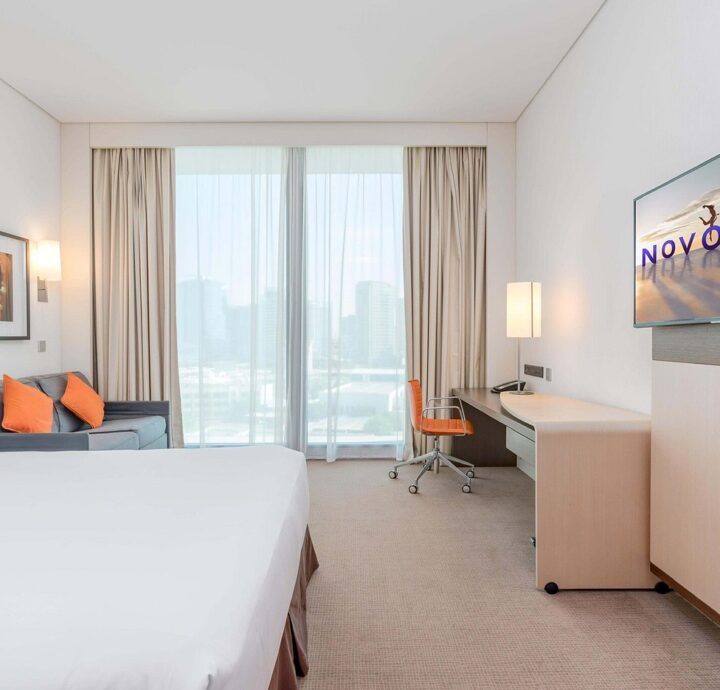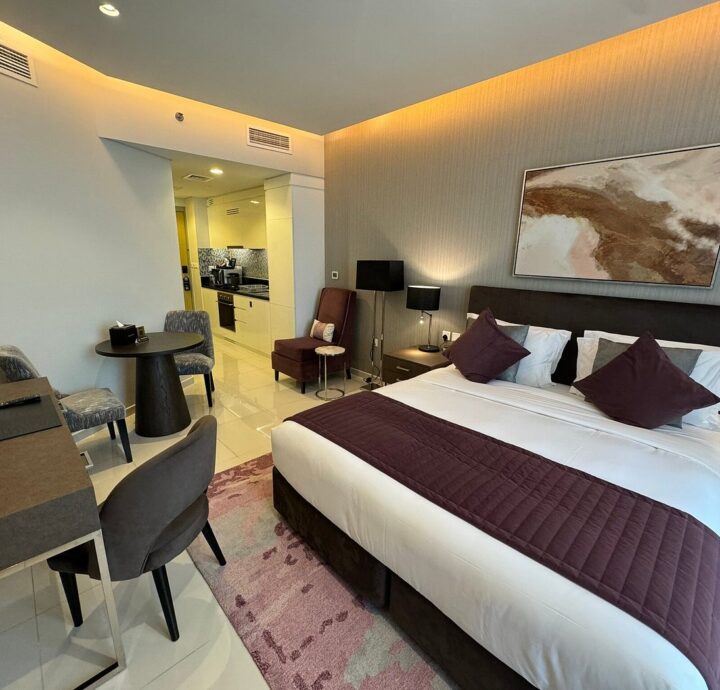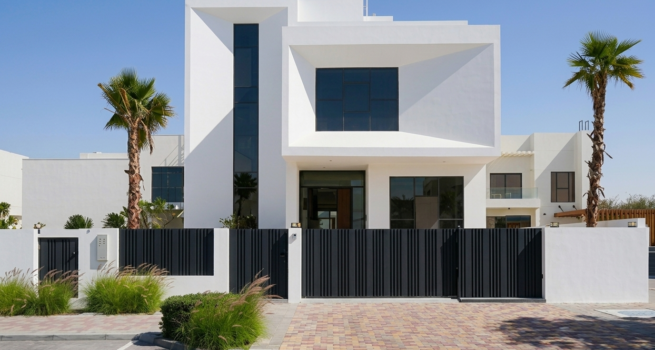
Every fit-out project starts with a hopeful brief and a stack of proposals that all look the same. The renders are beautiful, the promises are big, and the differences only show up months later, when a door arrives late or a finish doesn’t match the sample. Before you shortlist interior fit out companies for your next office, hotel, villa or retail space, this guide gives you five practical checks. Start with them, and the rest of the decision gets easier. You can also see how an established UAE manufacturer presents itself on the Royal Joinery home page.
Why Choosing Interior Fit Out Companies Is Harder in 2026
The market has grown crowded. Some firms are design studios, some are general contractors, and some are manufacturers that also fit out. Browsing a directory of interior design firms shows how many models exist. They are all sold under the same label, but they work very differently. The five checks below help you tell them apart.
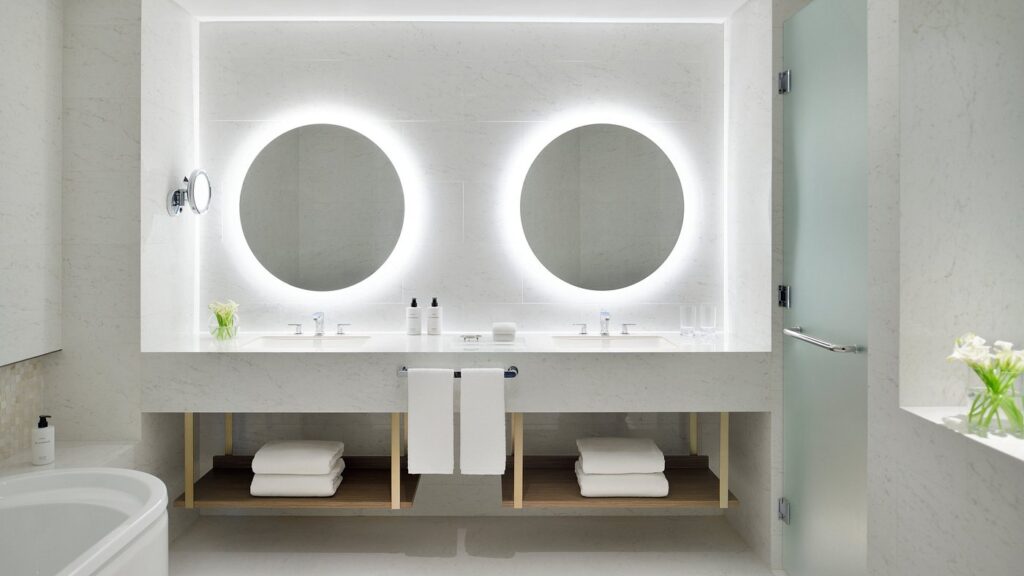
1. Check Whether Interior Fit Out Companies Own Their Joinery Production
This is the question most clients forget to ask. Many interior fit out companies subcontract their woodwork, so your doors, wardrobes, wall cladding and kitchens are made by someone you never meet. If that supplier is late, your project is late, and nobody in your contract owns the problem.
Companies with their own factory control quality, timing and cost more tightly. Ask how large the facility is, how many people it employs, and whether engineers produce the shop drawings in-house. For example, Royal Joinery runs a 35,000 m² factory with over 500 employees, and its joinery, fit-out and furniture services all come from the same production line. Staff retention is a useful signal too. Firms that hire and develop their own people, such as through an open careers page, tend to deliver more consistent work.
2. Ask Interior Fit Out Companies for Proof, Not Just Portfolios
A portfolio shows what a company wants you to see. Proof shows what actually happened. Before you sign, look through their completed projects for work similar to yours, and request the following:
- Trade licence and approvals that match the emirate and project type
- Appreciation or completion letters from main contractors and consultants, not only end clients
- Two or three reference contacts you can call yourself
- A project of similar size and scope, so you aren’t their first hotel or villa fit-out
- Quality certifications and a clear description of their inspection process
If a company hesitates over any of these, treat that hesitation as information.
3. Compare How Interior Fit Out Companies Price the Job
The lowest quote is rarely the cheapest outcome. Ask each company to break its price into materials, manufacturing, installation, transport, and site supervision. When two proposals differ by a large margin, the gap usually hides a substitution: a thinner board, a cheaper laminate, or a hardware brand you didn’t approve.
Also ask what is included for furniture. Loose and built-in pieces are often priced separately, so decide early whether you want custom-made furniture designed with the interior rather than bought afterwards. The same applies to bedrooms. If you want a bespoke bed that matches your wardrobes, read about custom-made beds in Dubai before locking your budget.
4. Test the Timeline Honestly with Interior Fit Out Companies
Every company will promise a handover date. Ask how they got there. A credible schedule separates design approval, material procurement, factory production, and site installation, and shows what happens if approvals slip. Ask about stock, too. Firms that hold materials in storage avoid the import delays that quietly push projects back by weeks.
Then ask what they do when a delay happens. The best answer is a plain description of how they communicate and recover, not a claim that delays never occur. Keep an eye on their latest news and updates to see how actively the company shares its work and developments.
5. Look at Handover and After-Care from Interior Fit Out Companies
Many fit-outs go wrong at the finish. Before hiring, ask how the company handles the end of the job:
- Snagging: Is there a formal defect list, and who signs it off?
- Completion documents: Will you receive as-built drawings, material data sheets and warranty papers?
- Defects period: How long do they return to fix problems, and what is covered?
- Single point of contact: Is there a named manager, or will you be passed between departments?
- Spare materials: Will they leave extra finishes for future repairs?
A company confident in its work will answer these quickly.
Your Quick Takeaway
The best interior fit out companies are easy to question. They show you their factory, their paperwork and their process, and they explain their prices without defensiveness. If you’d like to discuss a project with a team that manufactures, fits out and furnishes under one roof, you can contact Royal Joinery directly.
FAQs
Q. What do interior fit out companies actually do?
They turn an empty or outdated shell into a finished, usable space. That covers partitions, ceilings, flooring, joinery, lighting, finishes and often furniture.
Q. Which type of project suits a joinery-led fit-out company best?
Projects with a lot of bespoke woodwork, such as hotels, residential towers, villas, and offices with built-in storage, benefit most because production is controlled in one place.
Q. When should I hire a fit-out company: before or after design is finished?
Ideally during design. Early involvement lets the company flag cost, material and buildability issues before drawings are final.
Q. Why do fit-out quotes vary so much?
Differences usually come from material grades, hardware brands, scope inclusions, and whether production is in-house or subcontracted. Compare line by line, not just the total.
Q. How long does a typical fit-out take?
It depends on size and complexity, so ask for a written programme that splits design, production and installation rather than accepting a single number.